Trump Rejects Iran Ceasefire — Is War Next?
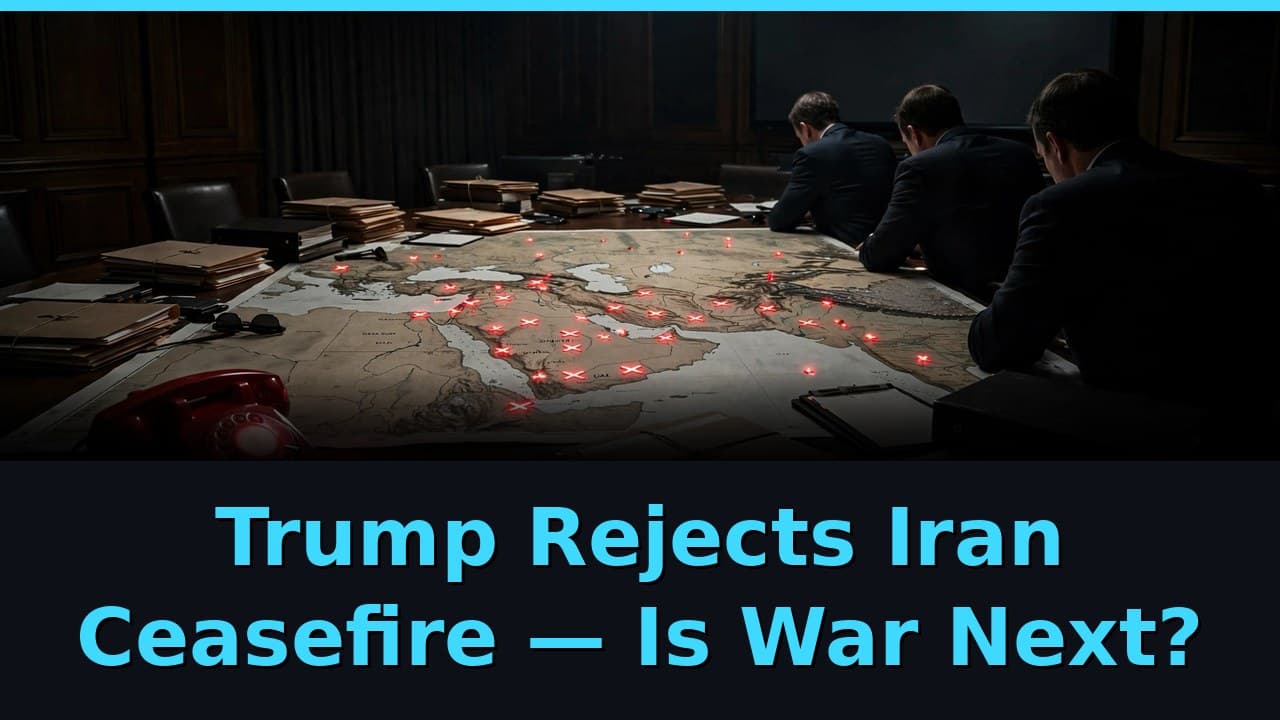
US President Donald Trump rejects a seven-day ceasefire proposal from Iran that would have reopened the Strait of Hormuz within a week, shutting the door on what Tehran described as a fast track to calming the region's most dangerous standoff.
Speaking to reporters outside the White House on September 26, Trump confirmed he had turned the offer down. "They made a proposal but I rejected it," he said. "They want to make a deal where they open the strait immediately because they're losing so badly."
What Iran Put on the Table
According to Iranian Foreign Minister Abbas Araghchi, the proposal was straightforward: a seven-day halt to military operations, reopening of the Strait of Hormuz within seven days, and fresh negotiations over Iran's nuclear program.
In return, Tehran asked Washington to lift its naval blockade of Iranian ports, waive sanctions on Iranian oil sales, and accept a ceasefire covering the wider region. Araghchi said the plan closely resembled an understanding the two sides reached in mid-June, which produced a fragile truce that later collapsed — but with a much shorter timeline this time.
The offer was delivered through intermediaries. Both Qatar and Pakistan have been relaying messages between Washington and Tehran, and Araghchi said Iran was prepared to start implementing the deal immediately if the United States agreed.
Why Trump rejected the Iran ceasefire
Trump framed the rejection as a position of strength. He claimed Iran had "outsmarted" itself by closing the strategic waterway and described the American blockade as the most effective in military history. On his Truth Social account, he repeated his longstanding red line in capital letters: Iran must never obtain a nuclear weapon.
Behind the scenes, the calculation appears more complex. Reporting on the decision said Trump is privately skeptical that Tehran would actually meet his demands, and that he wants a broader settlement rather than a narrow arrangement focused only on the strait. He has also told aides, according to those reports, that he expects US bombing of Iran to resume after the November midterm elections.
Iran, for its part, is not softening its stance. Araghchi said Tehran is still waiting for a definitive American response through the mediators and insisted that only a "negotiated solution based on dignity and justice" can resolve the deadlock. Iranian President Masoud Pezeshkian went further, saying in an interview that Iran no longer trusts talks with Washington.
A Region on Edge
The rejection lands at a volatile moment. A third American aircraft carrier strike group is now sailing toward the Middle East, joining two carriers already operating in the region — one of the largest US naval concentrations there in years. Oil markets reacted immediately, with crude prices jumping as traders priced in the risk of prolonged disruption.
Meanwhile, the wider conflict keeps smoldering. Saudi air defenses recently intercepted drones launched toward Riyadh, attacks claimed by Yemen's Houthi movement, which Washington views as an Iranian proxy. Each side continues to signal that it wants to avoid an all-out regional war, even as both keep military options openly on the table.
For readers following global flashpoints, our trending world news section is tracking this story and other major developments, and the NovelNama homepage carries the day's top updates.
What to Watch
All eyes are now on three dates: the US midterm elections on November 3, the expected arrival of the third carrier strike group by late November, and any movement on the American counterproposal that Iranian officials say they are reviewing. If diplomacy stays frozen and the naval buildup continues, the Strait of Hormuz — through which roughly a fifth of the world's oil flows — will remain the most watched waterway on the planet.


Mazeed Parhein

Ishq Murshid Drama Cast: Kaun Kaun Hai? 7 Shandaar Kirdar

Tere Bin Drama Cast — Kaun Kaun Hai, Kya Hai Unka Kirdar?
Jaan Nisar Drama Story: Aakhri Raaz Jo Aapko Hairaan Kar Denge

Akhara Drama Story
انتقام، غیرت اور اکھاڑے کا سچ

Spain Unbeaten Run Record Football: La Roja ka 39-match raaz